Christian Education in the Age of AI

Thoughts on Philosophical Foundations and Practical Wisdom

Josh Brake

Associate Professor of Engineering, Harvey Mudd College
Venture Partner, Praxis

2025-11-21

“Nobody has any idea what to teach young people that will still be relevant in 20 years.”

— Yuval Noah Harari

Is Yuval Noah Harari right?

Generative AI as a hurricane

William Warby on Unsplash

My Goals for Today

  • Encourage
  • Explain
  • Explore
  • Engage

Encourage

Why are we uniquely positioned to engage with AI?

Generative AI is bringing deep questions to the surface

  • What does it mean to be human?
  • What does a good life look like?
  • What is the value of work?
  • What is my worth, if AI can do parts of my work better than I can?

These are questions that the Christian worldview and Scripture speaks to. We need to remind ourselves of what scripture says to us and be ready to share those answers with the world.

What is the final cause of generative AI?

Aristotle’s Four Causes

  • The material cause: What is it made out of?
  • The formal cause: What is it?
  • The efficient cause: What brought it into being?
  • The final cause: What is its purpose or function?
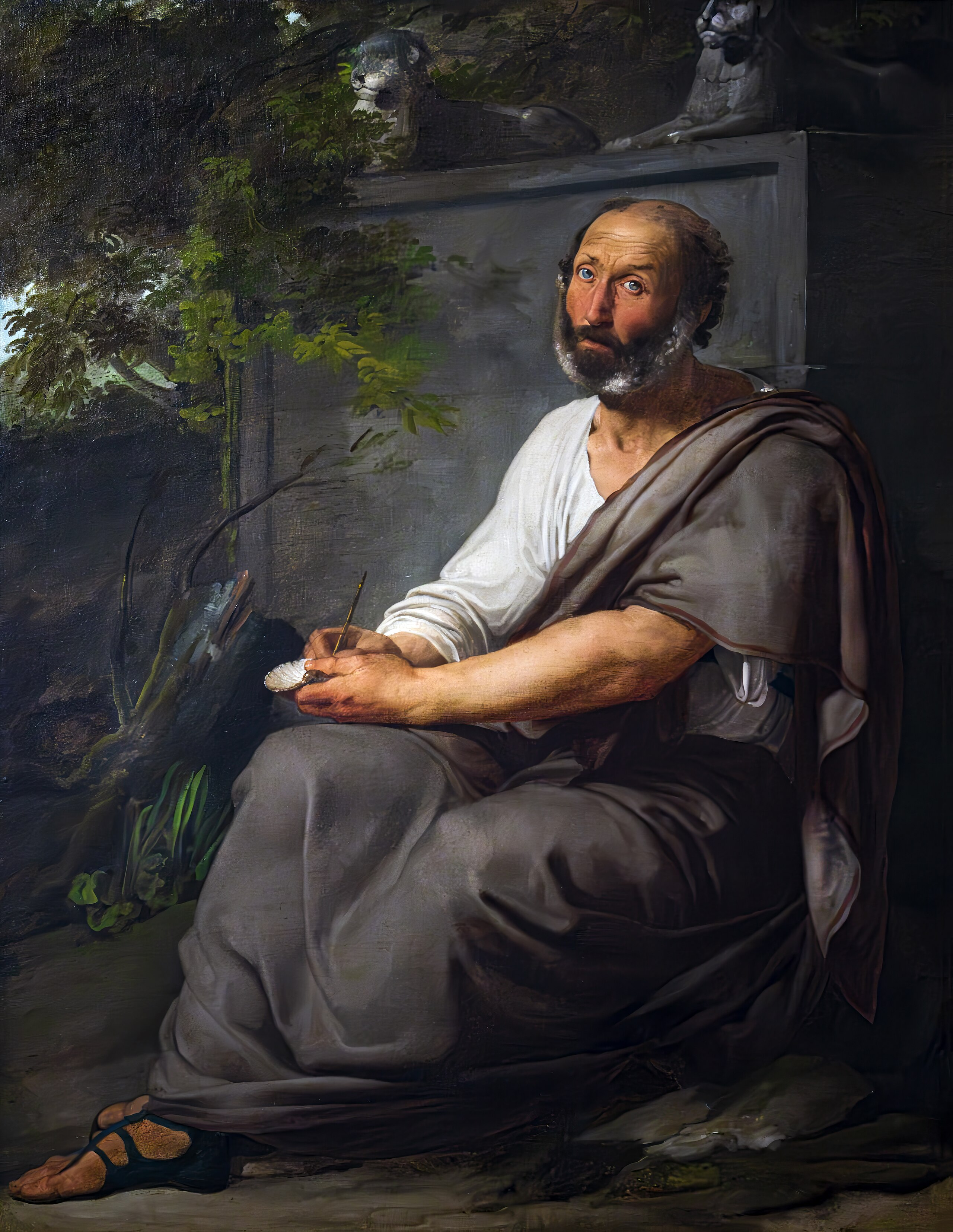
Aristotle by Francesco Hayez, 1811

Double down on your core values and mission

Vision

Leave here as better men: faith-filled leaders living lives of love and service who pursue excellence of mind, body, and spirit.

Mission

Vancouver College, a diverse and inclusive Catholic faith and learning community, educates young men guided by the Gospel values and in the tradition of our spiritual founder Blessed Edmund Rice. We commit to the development of the whole person, academically, emotionally, physically, and spiritually, preparing students for lives dedicated to faith, excellence, and service to others.

Values

The Vancouver College values are embodied in the Essential Elements of an Edmund Rice Christian Brother Education. These Essential Elements serve as both our beliefs and daily calls to action. They centre us on our Catholic identity and faith formation, on collaboration and community, on respect and dignity for all, on educating the whole person, on personal excellence, and on selfless service to others.

Explain

What exactly is Generative AI?

Generative AI is a flexible interpolation function from prompts to continuations
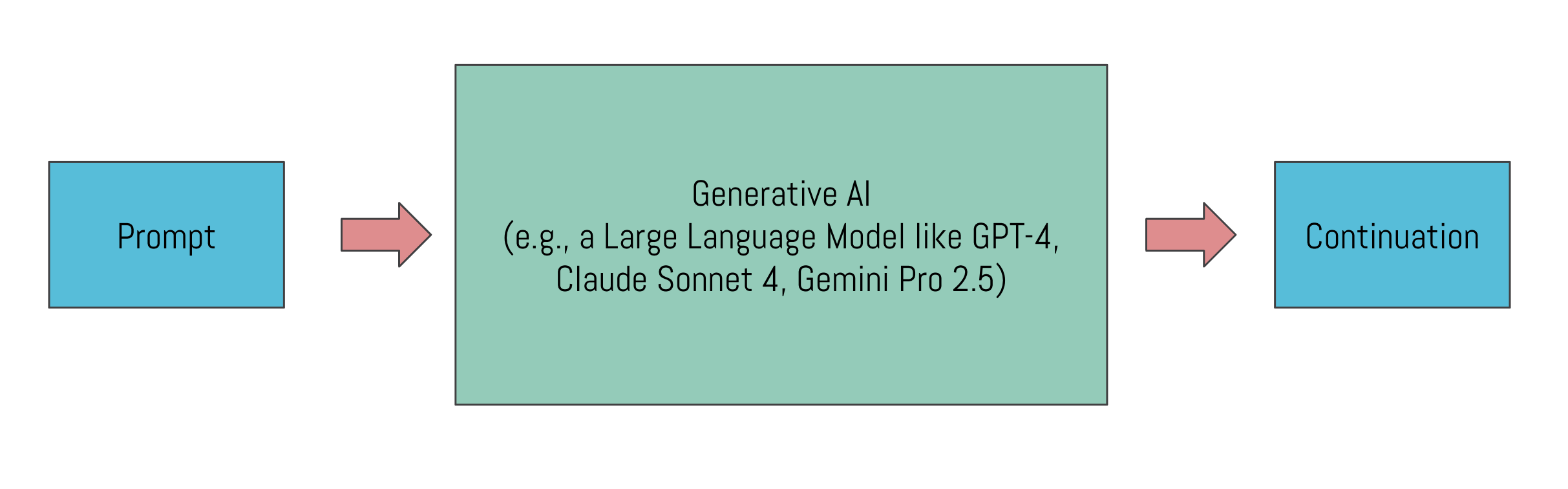
From Brad Delong.

  • Flexible — Doesn’t require a specific input. The system can handle any string of words you feed into it.
  • Interpolation — Creating combinations of things already within the data set.
  • Function — Has inputs (prompts) and outputs (continuations).

Generative AI is ultimately a sophisticated algorithm

Humans Computers/Algorithms/LLMs
Write Process
Think Process
Reason Process
Read Process
Feel Process
Empathize Process

Credit: Inspired by and modified from a similar slide from John Warner.

Generative AI is amplified intelligence
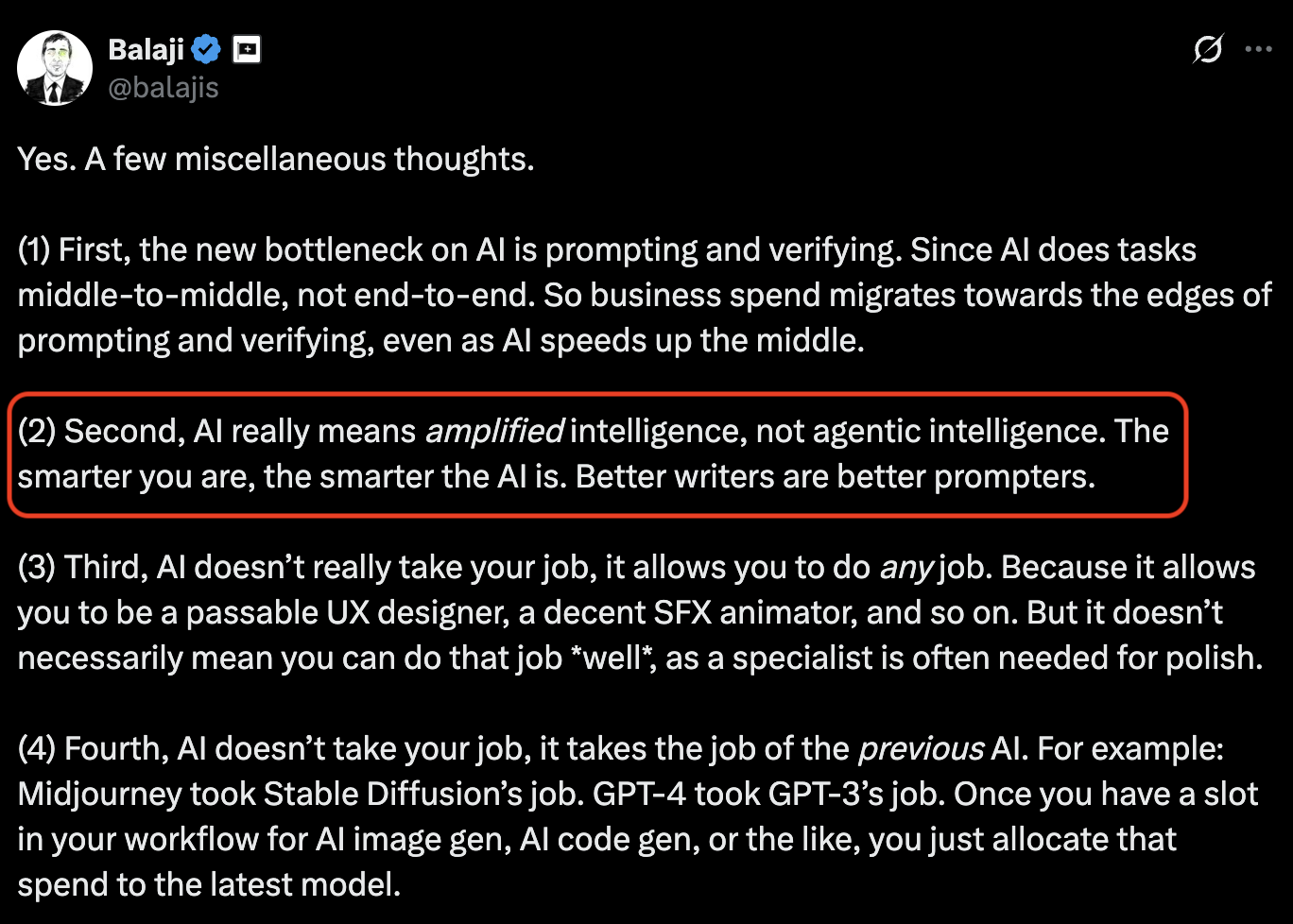
F1 drivers start in go karts

Generative AI should play a direct role in a student’s education only to the degree that the student possesses the wisdom and discipline to use it in a way aligned with their educational goals.

Technology forms and deforms us and our world

Start also by considering not only what a specific new technology does but also what that technology prevents. Because of that technology, what can no longer be done? Whether it’s road and railway, fax and postal system, computer learning versus other ways of learning, or CD versus book, one has to look both at the enabling and at the foreclosing angle of any way in which things are done. When teaching through new technologies we must highlight not only the skills the new devices bring but also the skills that are not developed because of the use of those devices. It’s often a very real trade-off. The advantages of the new technologies don’t come for free, and the cost is not only in money.

– Ursula Franklin in “Using Technology as if People Matter” (1996)

The invisible externalities
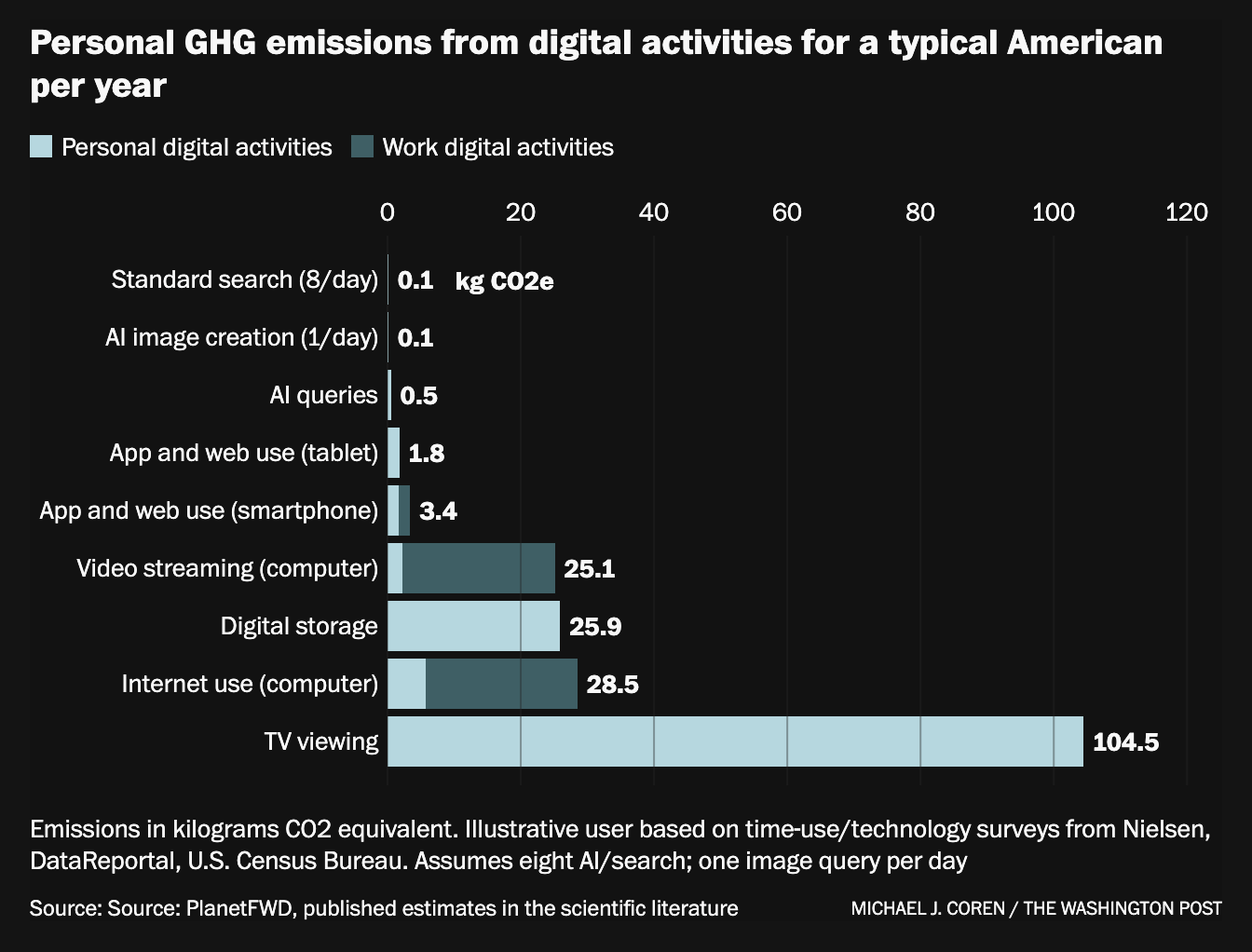
“ChatGPT is an energy guzzler. These things you’re doing are worse.” Washington Post (8/26/2025)

The invisible externalities
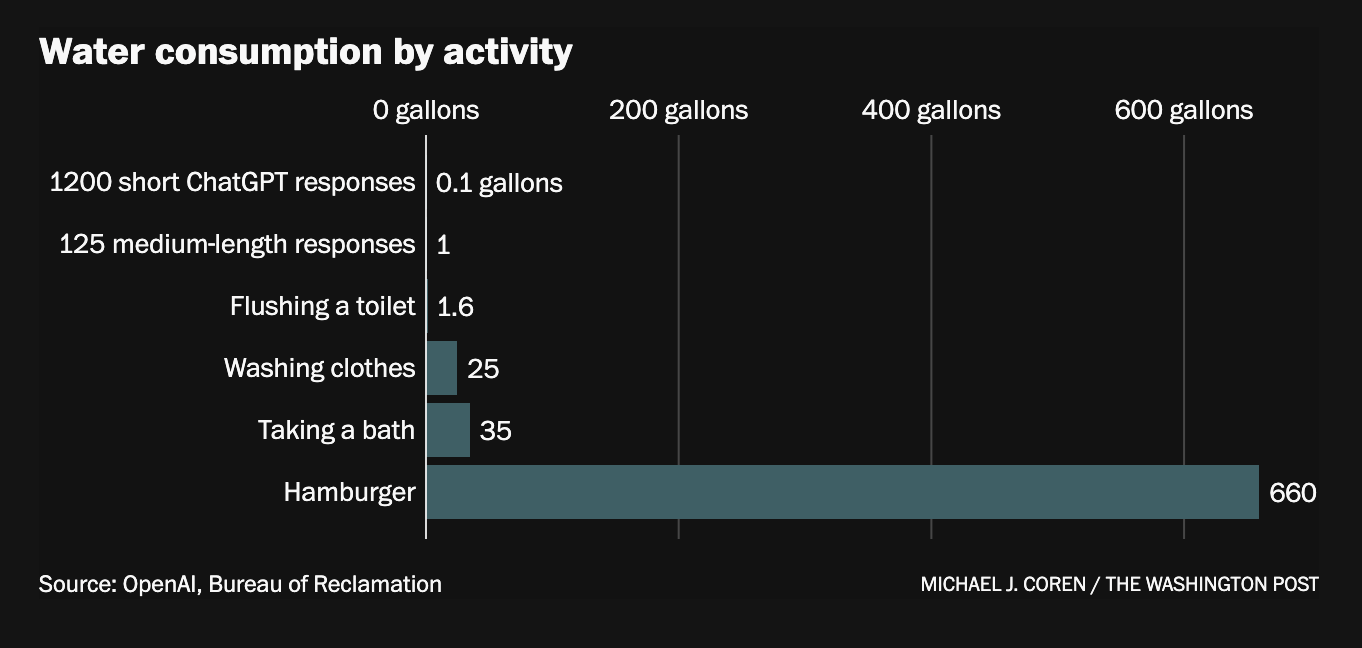
“ChatGPT is an energy guzzler. These things you’re doing are worse.” Washington Post (8/26/2025)

The invisible externalities
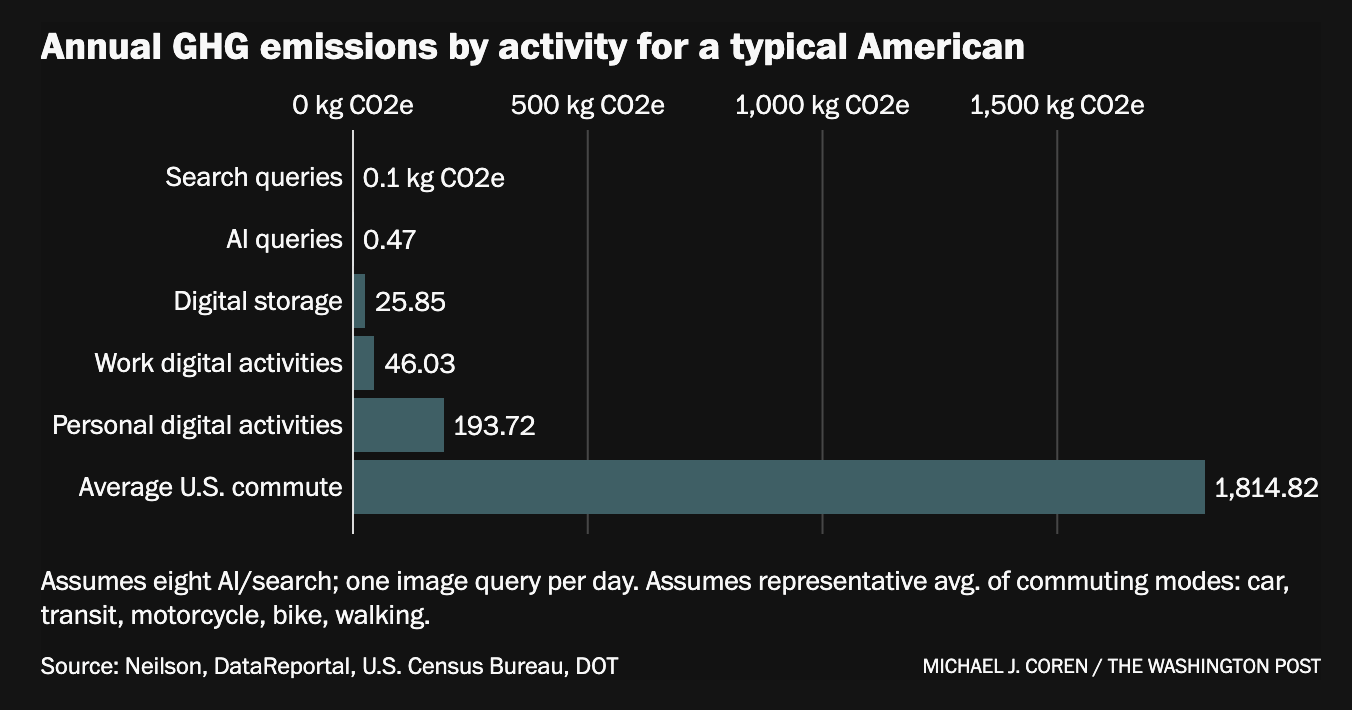
“ChatGPT is an energy guzzler. These things you’re doing are worse.” Washington Post (8/26/2025)

Innovation always has tradeoffs. We often ignore them.
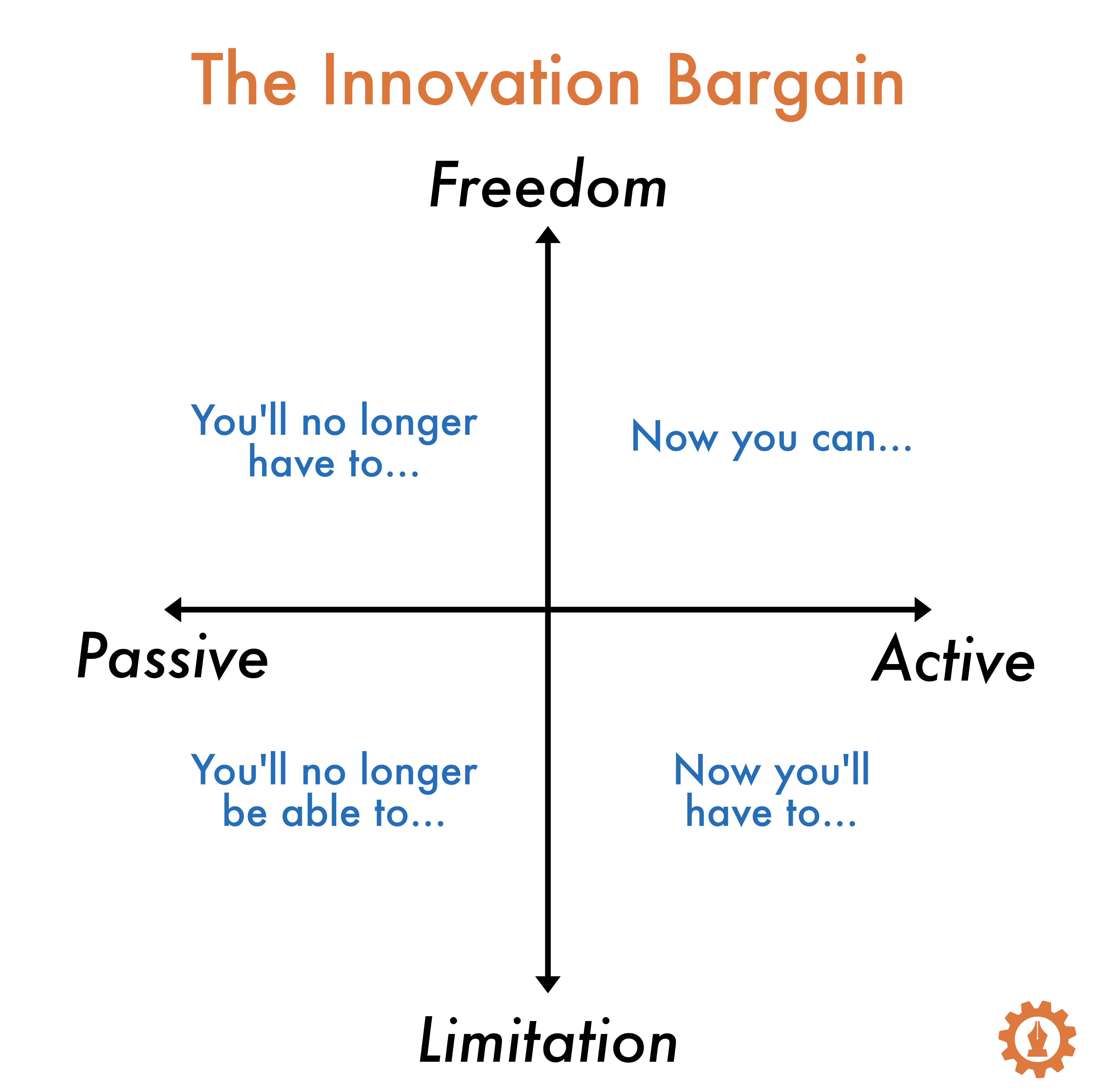
Inspired by Andy’s Crouch’s 2022 talk: “We Don’t Need Superpowers. We Need Instruments.”

We must consider both the enabling and foreclosing angles of technology

There is no doubt that technological development has brought, and continues to bring, significant benefits to humanity, particularly in the fields of medicine and health. In order to ensure true progress, it is imperative that human dignity and the common good remain resolute priorities for all, both individuals and public entities. It is easy to recognize the destructive potential of technology and even medical research when they are placed at the service of antihuman ideologies. In this sense, historical events stand as a warning: the instruments at our disposal today are even more powerful and can produce a still more devastating effect on the lives of individuals and peoples. However, if harnessed and placed at the true service of the human person, these effects can also be transformative and beneficial.

  • Pope Leo XIV

Source: Message of His Holiness Pope Leo XIV to Participants in the International Congress of the Pontifical Academy for Life “AI and Medicine: The Challenge of Human Dignity”

Explore

How might we adapt our teaching practices in light of generative AI?

A few guiding ideas

  • We must be aware of generative AI’s impact on our work as educators even if we don’t use it directly in our teaching.
  • We should integrate generative AI into our teaching practices only when it aligns with our core pedagogical values.
  • We should remind ourselves and our students about the why, not just the what and the how.
  • We should remain curious about the ways that generative AI might enhance our teaching and our students’ learning.

Convivial classrooms in the age of AI inspired by Ivan Illich

A convivial classroom is one in which the tools, structures, and relationships are oriented toward human flourishing, mutual learning, and creativity, rather than control, efficiency, or a one-way transmission of knowledge.

Ivan Illich

Guiding provocations for convivial classrooms

  1. A classroom is a community. Strengthen the dense network.
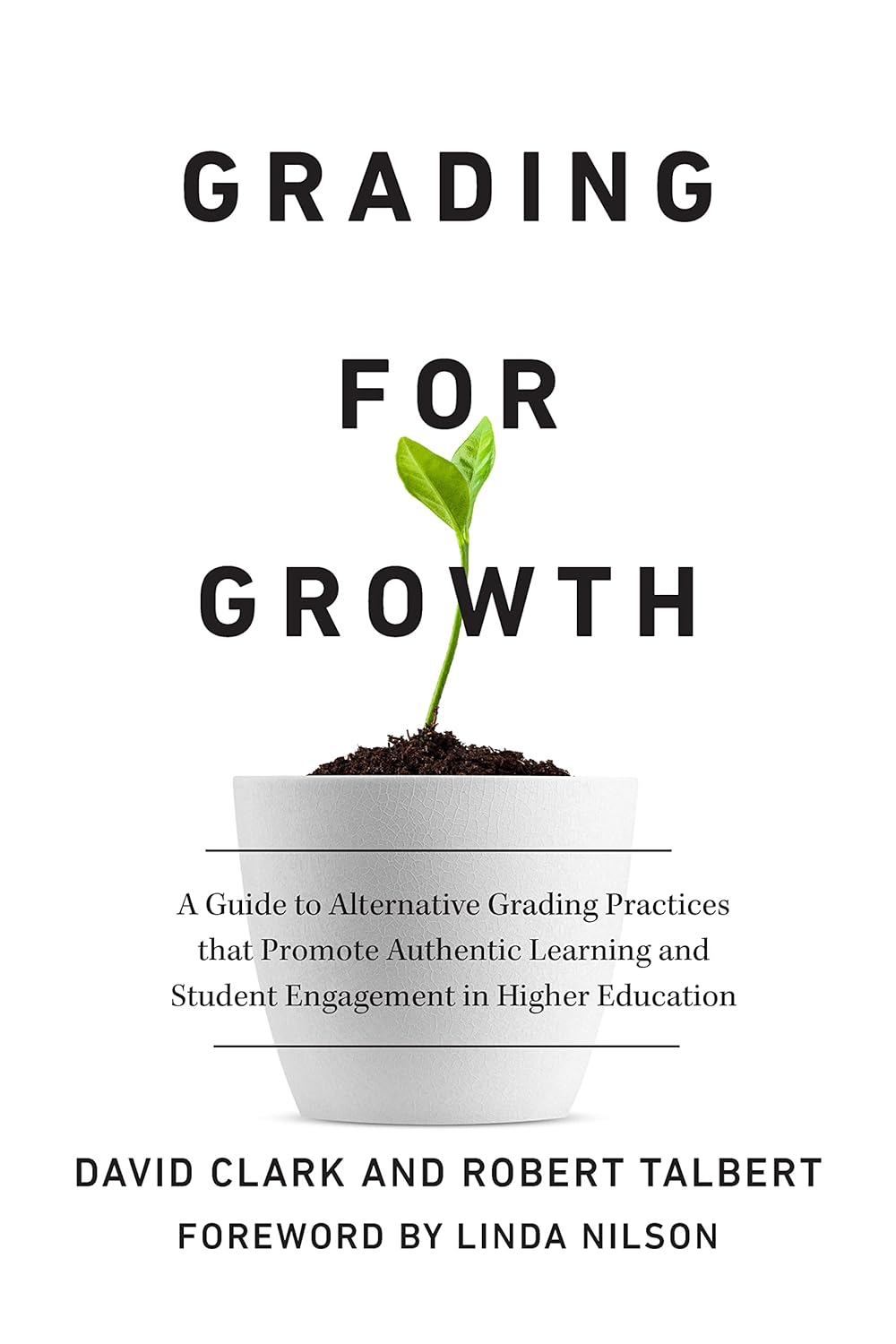
  2. Grades are feedback, not a credential. Show your work.
  3. Teachers are guides. They instruct, but also mentor and coach.
  4. Education is about formation, not information.
  5. Educators have a mandate to help students to be their best selves.

How might generative AI support these core values? How might it detract from them?

A classroom is a community

Metcalfe’s Law: The value of a network grows as \(n(n-1)/2\) where \(n\) is the number of nodes.

Grades are feedback

  • The power of not yet/completion/excellence.
  • Focus on formative vs. summative assessment.
  • Teach good taste.

Teachers are guides

  1. Stay curious just a little bit longer
  2. Drop your agenda
  3. Focus on process as much as on content
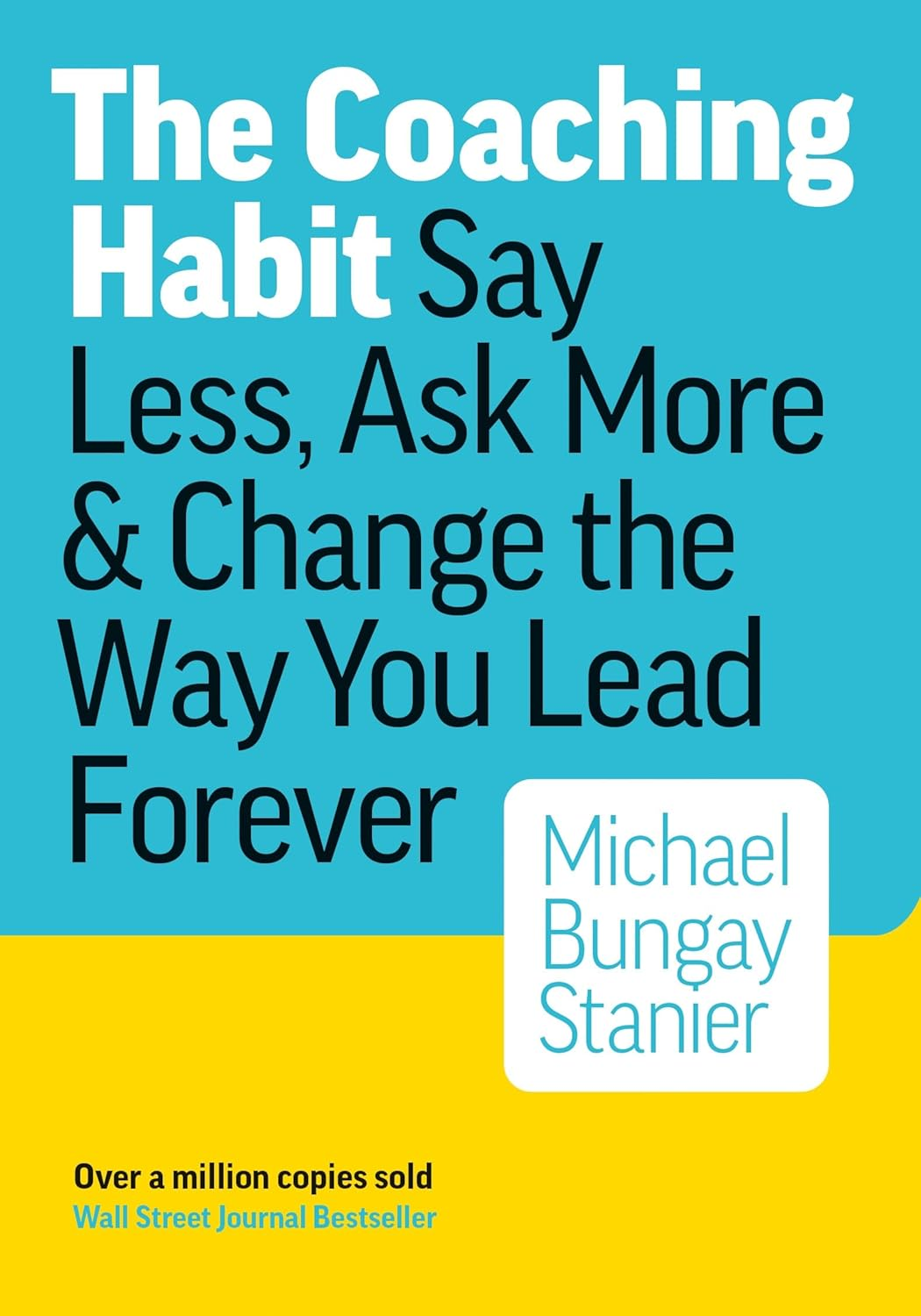
Education is about formation
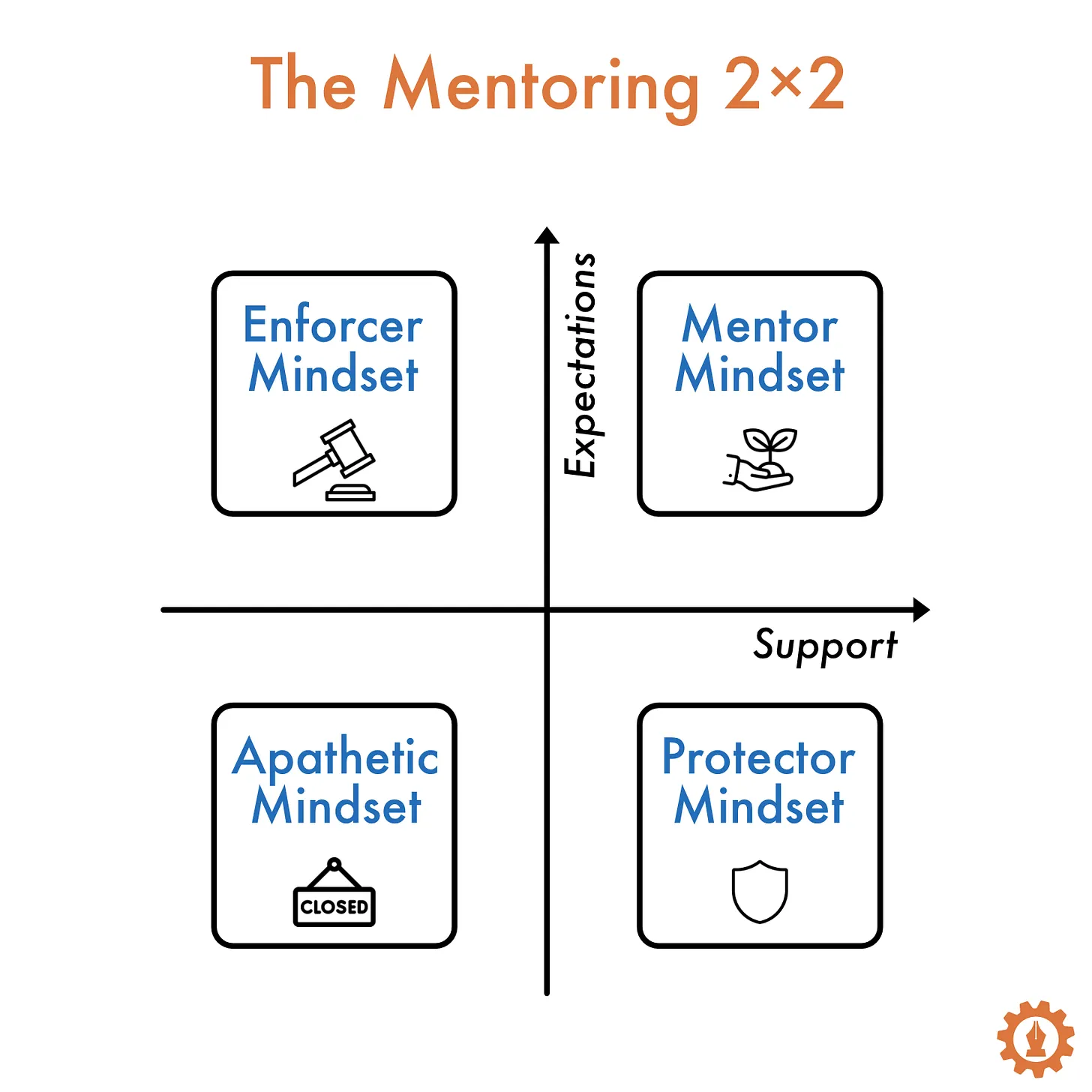
High expectations, high support

Building trust with students while maintaining rigorous standards

Examples:

  • Clear expectations
  • Multiple attempts
  • Scaffolded support
  • Transparent criteria

Helping students to be their best selves
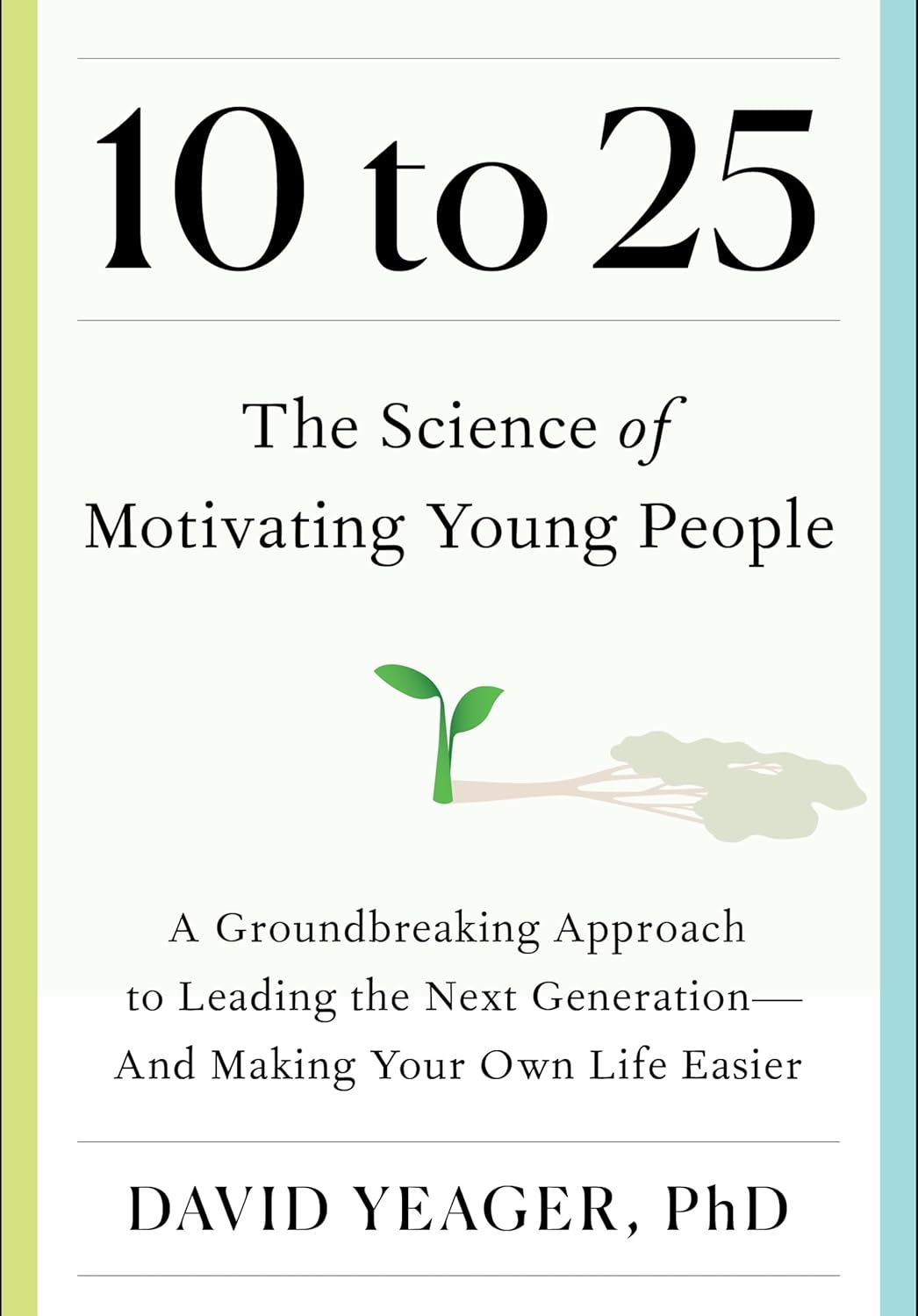
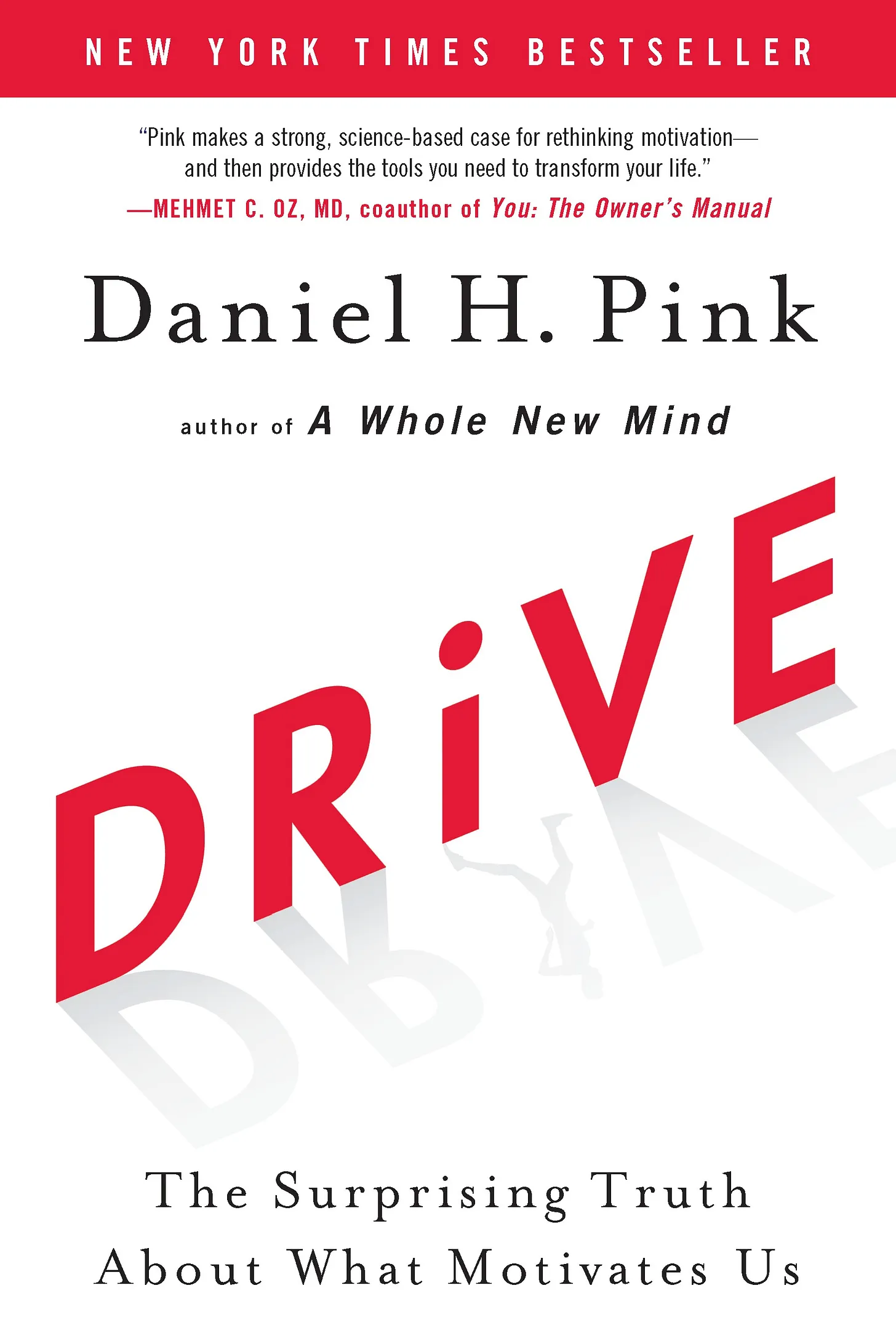
Design for Motivation 3.0

  • Motivation 1.0: Biological impulses
  • Motivation 2.0: Carrots and sticks
  • Motivation 3.0: Type I behavior

The Three Pillars of Motivation 3.0

  1. Building trust with students to allow them to leverage autonomy
  2. Designing assignments aimed at mastery
  3. Communicating the purpose of the content and structure of our courses
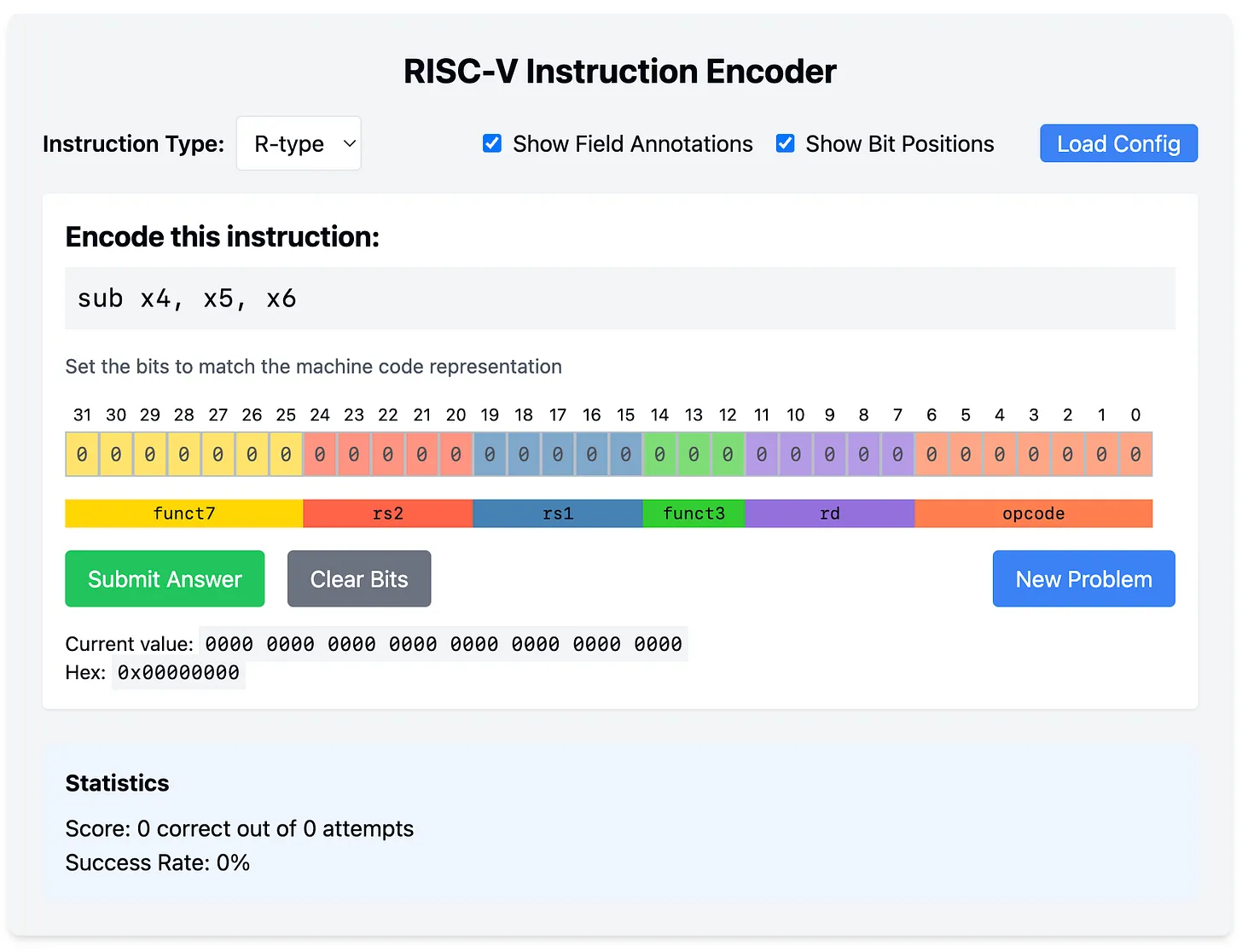
How I’m approaching AI in my classes

AI On, AI Off

  • Phase 1 (Labs): Prohibit generative AI during skill-building
  • Phase 2 (Project): Encourage critical exploration with AI tools
  • Throughout: Extensive AI policy in syllabus
  • Key insight: Students need foundation before amplification

Similar ideas as in Harvey Mudd’s Draft AI-use Course policy.

  1. No AI Use Allowed as it Inhibits Learning
  2. Time Saving Usage Only
  3. Augmentative Usage Only
  4. Open Use

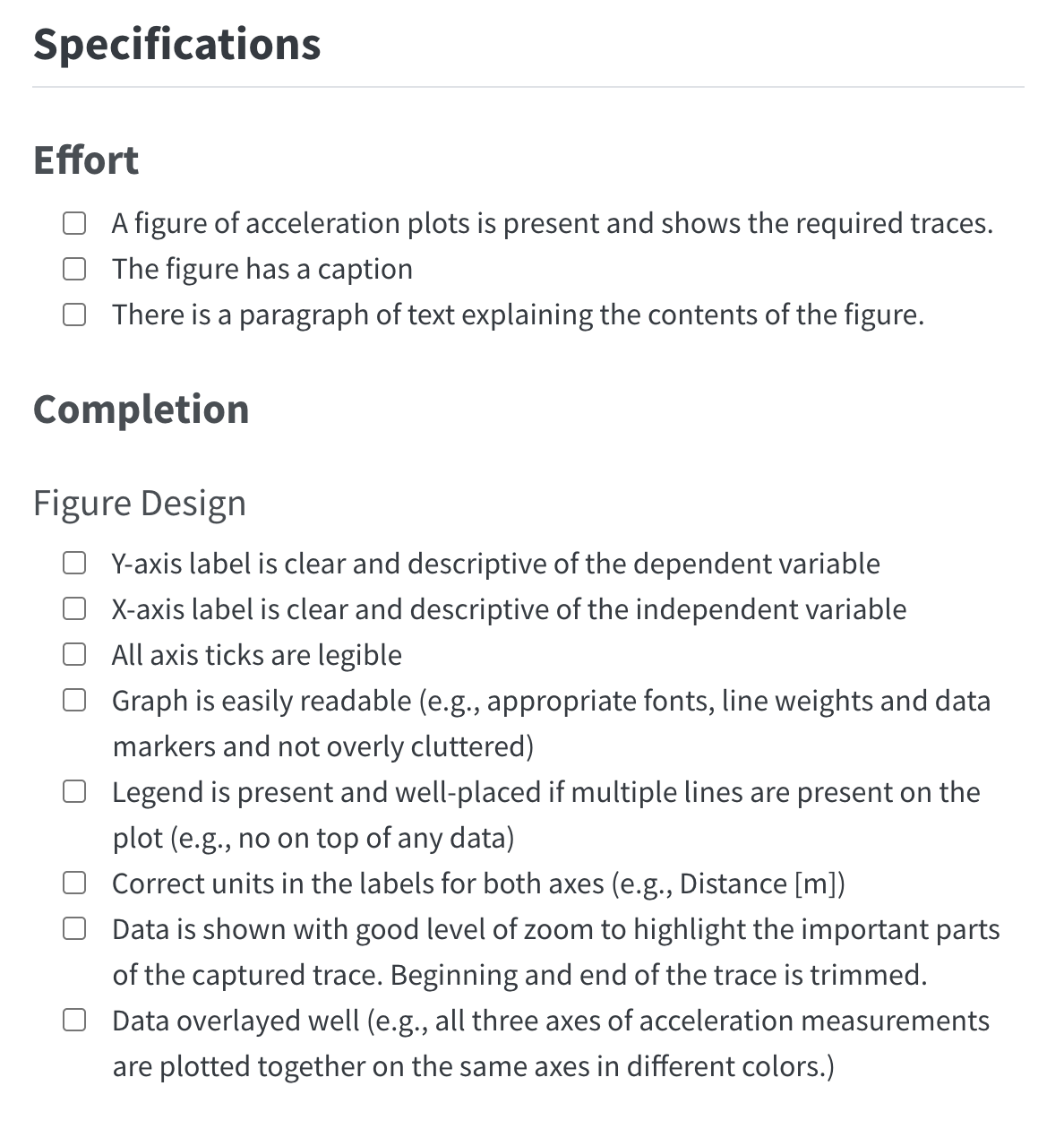
Rethink assessment: Specifications grading

Example from my engineering writing assignments:

  • Align assignments with learning goals
  • Help students build good taste
  • Give them clear guidance
  • Create opportunities for resubmission

Specifications for a writing assignment in my Experimental Engineering class

Bespoke illustrations and teaching tools
A process for prototyping

  1. What is the core question/problem you are trying to address?
  2. How is that problem rooted in a core pedagogical value?
  3. How might AI facilitate this core value? How might it detract from it?
  4. What is a simple experiment that could provide some real data on whether or not it is helping?
  5. How will you measure and reflect on the results?

Ideas to spark your curiosity

Spend time playing with AI tools and getting to know how they work

A few ideas of ways to use AI:

  • Ask for critiques of your lesson plans
  • Generate frequent, low-stakes assessments
  • Brainstorm active learning activities
  • Streamline aspects of organizing classrooms that make it hard to do active learning
  • Vibe code interactive apps/tools for your students to experiment with

Where do we go from here?

  1. Be curious: genAI is evolving rapidly. Don’t be afraid to embrace an attitude of play.
  2. Create prototypes: don’t be afraid to try things out when you approach them with intention and an iterative loop for improvement.
  3. Be clear: Write and build a policy for genAI use in your classes with your students.
  4. Motivate the underlying why.
  5. Help students be their best selves: walled gardens can be a place of rest.

Please connect!

If you have questions or comments, please reach out!

Email me: jbrake@hmc.edu

Additional Resources
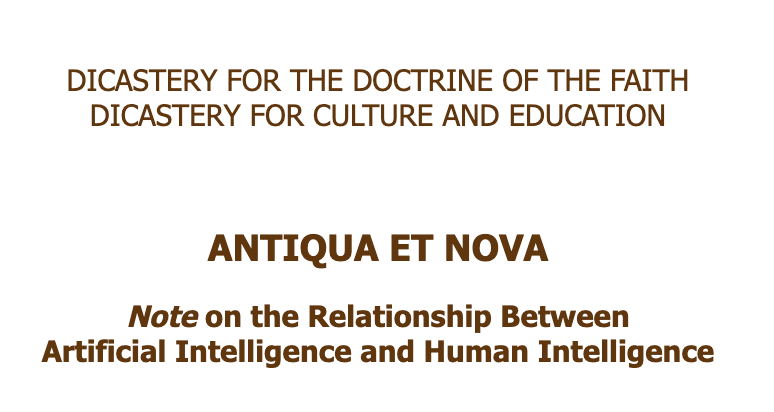
Note on the Relationship Between Artificial Intelligence and Human Intelligence