Artificial Intelligence and Christian Education

Challenges, Opportunities, and the Way Forward

Josh Brake

2025-02-14

“Nobody has any idea what to teach young people that will still be relevant in 20 years.”

— Noah Yuval Harari

Virtues and Vices: Vice Versa

The capitalist scheme of values in fact transformed five of the seven deadly sins of Christianity-pride, envy, greed, avarice, and lust-into positive social virtues, treating them as necessary incentives to all economic enterprise; while the cardinal virtues, beginning with love and humility, were rejected as ‘bad for business,’ except in the degree that they made the working class more docile and more amenable to cold-blooded exploitation.

Lewis Mumford, Technics and Human Development
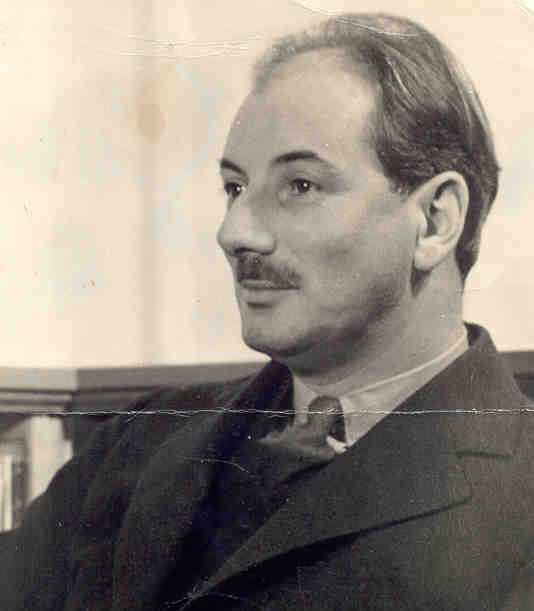
Lewis Mumford

My Goals for Today

  1. To inform: how should we understand what artificial intelligence is and what it means?
  2. To encourage: what does Christian education offer to a world saturated by technology (and AI)?
  3. To provoke: How might we allow the Gospel to speak through us into our current cultural moment?

Three Ideas to Set the Stage for Understanding AI

1. Pay attention to the context

Technology is intertwined with societal systems

Technology is not the sum of the artifacts, of the wheels and gears, of the rails and electronic transmitters. Technology is a system. It entails far more than its individual material components. Technology involves organization, procedures, symbols, new words, equations, and, most of all, a mindset.

Ursula Franklin in The Real World of Technology

Ursula Franklin

Every technology is shaped by and shapes the world around it

  1. The automobile
  2. The sewing machine
  3. The camera

“Technology is the way we do things.” – Ursula Franklin

2. Pay Attention to the Tradeoffs

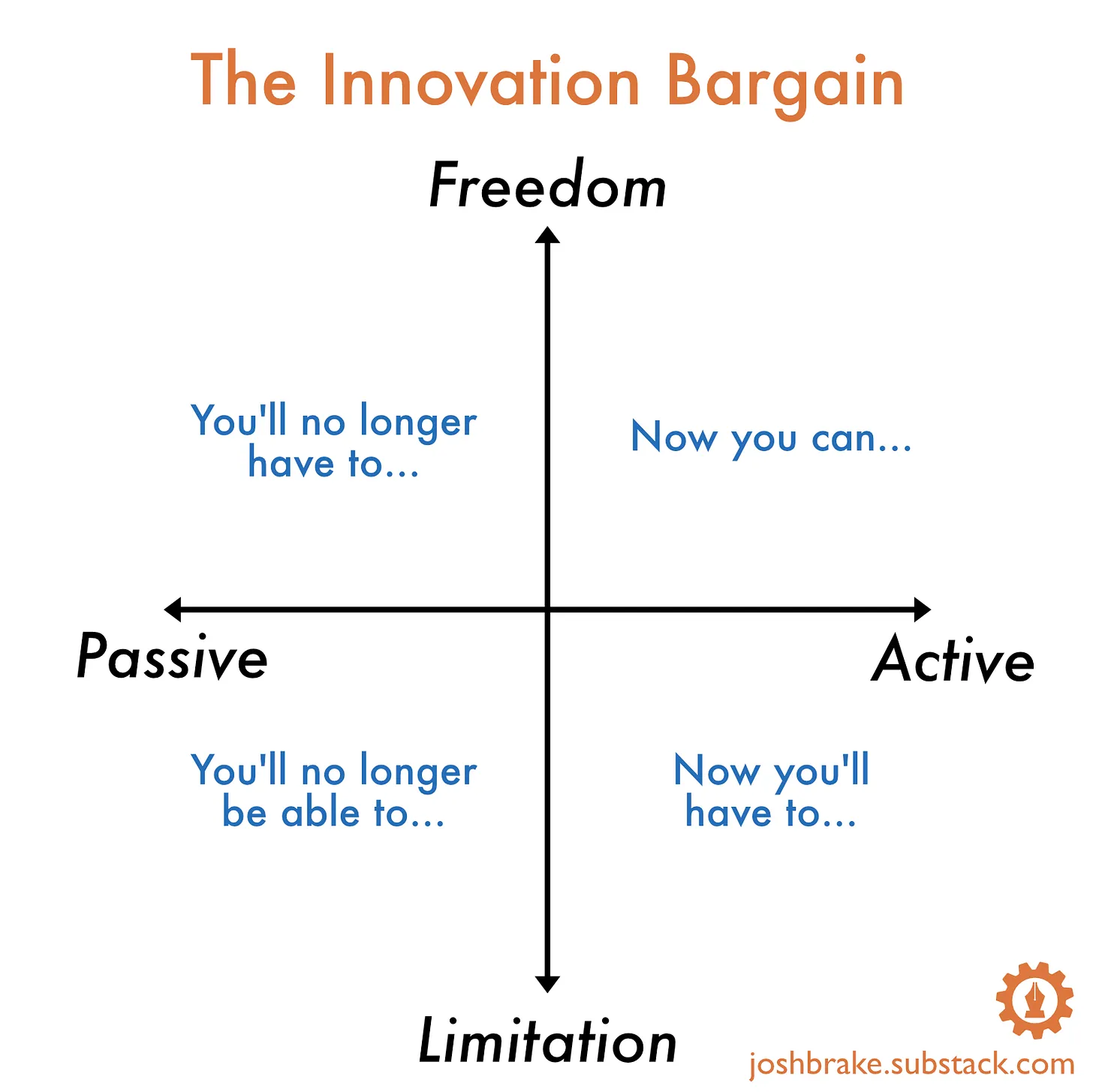
All innovation is a bargain

Based on Andy Crouch’s talk from 2022: “We Don’t Need Superpowers. We Need Instruments.”
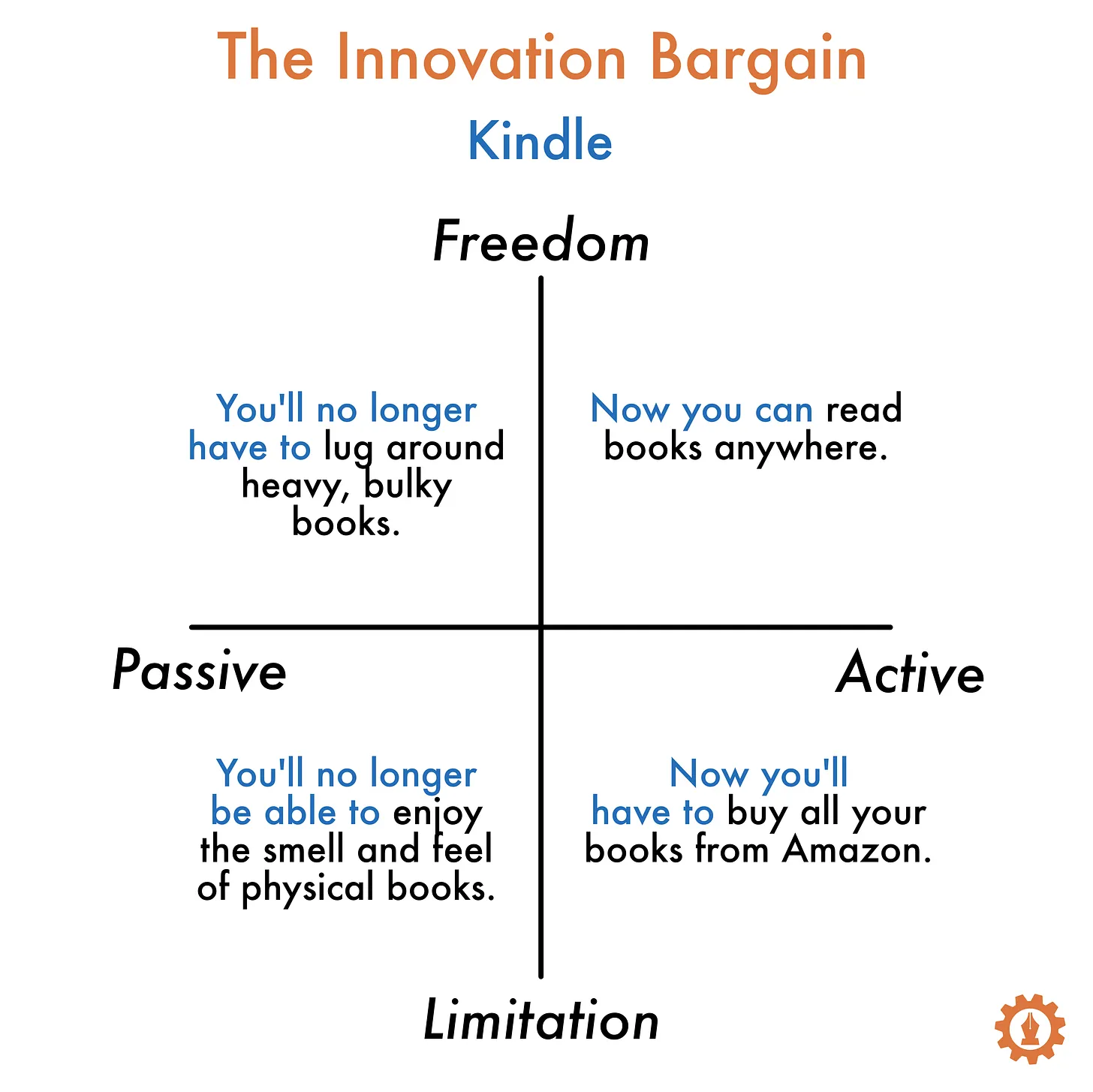
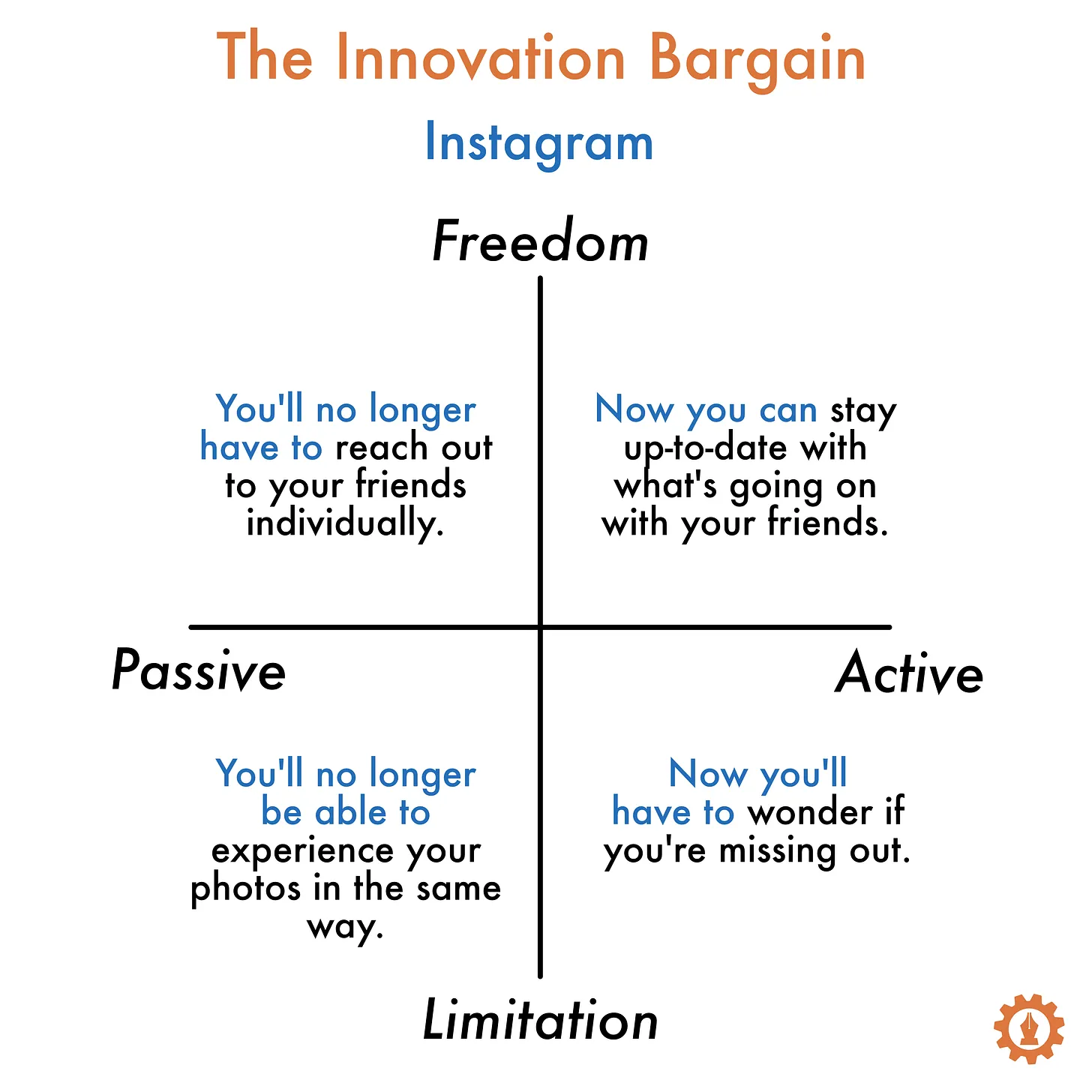
[Consider] not only what a specific new technology does but also what that technology prevents. Because of that technology, what can no longer be done? Whether it’s road and railway, fax and postal system, computer learning versus other ways of learning, or CD versus book, one has to look both at the enabling and the foreclosing angle of any way in which things are done.

Ursula Franklin in “Using Technology as if People Matter”

3. Pay Attention to what is being commodified.

Albert Borgmann’s Device Paradigm: Commodities vs. Focal Practices

Technology and Focal Practices

A stove furnishes more than mere warmth.

It was a focus, a hearth, a place that gathered the work and leisure of a family and gave the house a center.

Albert Borgmann in Technology and the Character of Contemporary Life: A Philosophical Inquiry

Three Things to Set the Stage for Understanding AI

1. Pay attention to the context.

Technology is formed by the particular cultural context in which it was created and is used.

2. Pay attention to the tradeoffs.

“Technology is neither good nor bad; nor is it neutral.” - Melvin Kranzberg’s First Law of Technology

3. Pay Attention to what is being commodified.

Technology extracts and improves particular aspects of an experience.

What is artificial intelligence?

Discriminative AI vs. Generative AI (genAI)

Discriminative models focus on classification and prediction based on given data.

  • Facial recognition: Identify persons in photo library.
  • Speech recognition: Siri or Alexa.
  • Medical diagnosis: Classifying your MRI or X-ray images.
  • Autonomous navigation: Tesla full self driving.
  • Recommendation systems: Amazon predicting what you might want to buy.

Generative models are capable of creating outputs drawn from the distribution of input data they were trained on.

  • Text generation: LLMs which generate text from a prompt.
  • Image generation: Midjourney or DALLE to generate new images.
  • Drug discovery: Alpha Fold for predicting protein structure.

Key Terms and Concepts

Generative AI is a program capable of generating content like text, images, video, and computer code. Most genAI systems respond to a prompt entered in natural language by a user.

  • Large language model (LLM): Program that behaves like very sophisticated autocomplete. Examples: GPT-4, Gemini.
  • Generative Pre-trained Transformer (GPT): A specific architecture or foundation model of LLM first developed by OpenAI.
  • Multimodal: The ability to process and generate different types of media. For example, input text and output an image or video. Examples: Midjourney, DALLE-3, Sora.
  • Agentic AI: AI systems designed to be able to carry out a series of tasks in response to directions.
  • Supervised machine learning: An machine learning algorithm trained using labeled data.
  • Unsupervised machine learning: A machine learning algorithm trained on unlabeled data.

An Abbreviated History of genAI

A rough timeline:

  • 1956: Field of AI research begins at workshop at Dartmouth College.
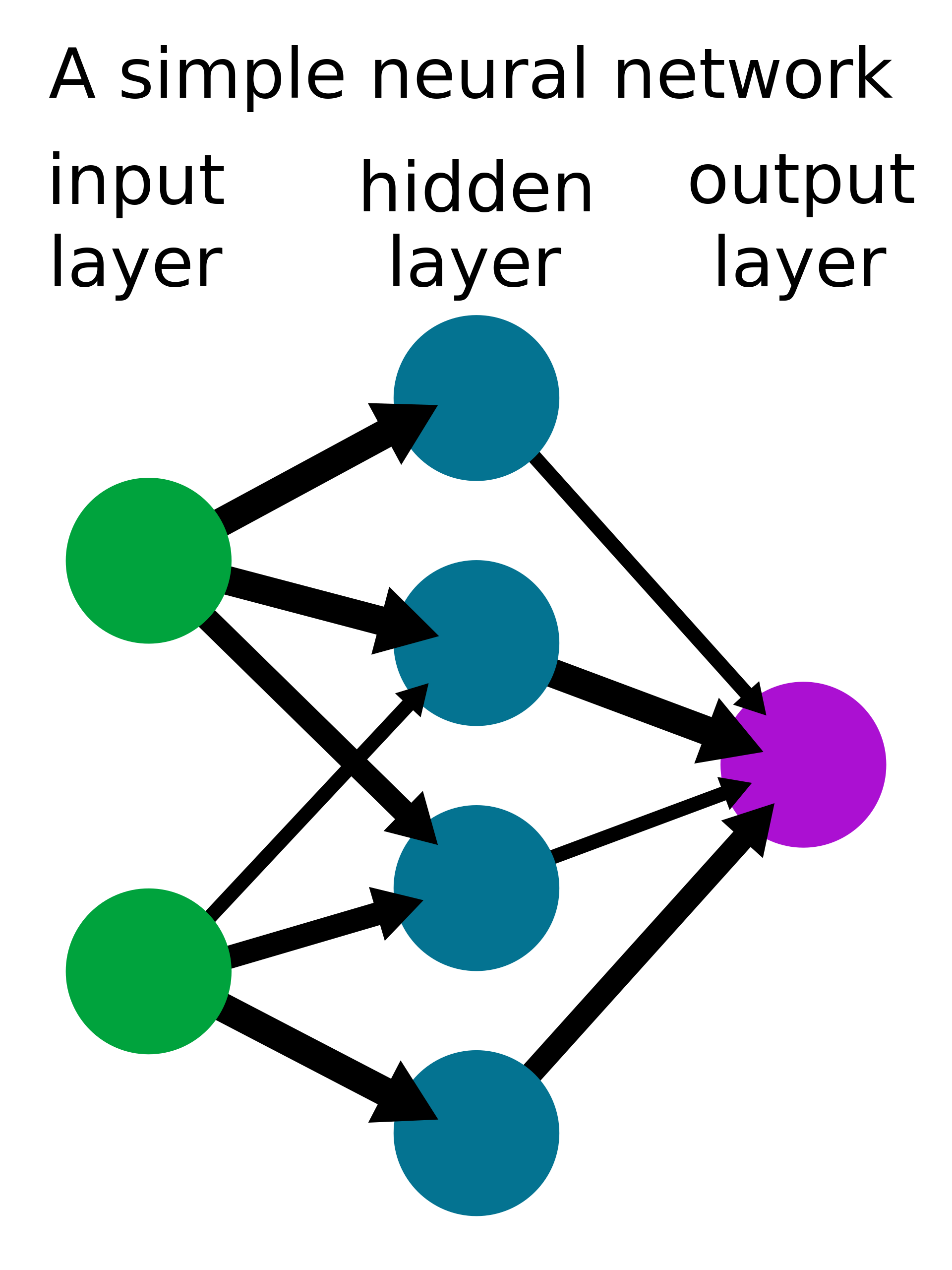
  • 1960s-1980s: Machine learning using neural networks is explored.
  • Late 2000s: Development of deep learning. Deep refers to multiple hidden layers in the network.
  • 2014: Generative Adversarial Networks (GANs) are developed.
  • 2018: OpenAI invents the Generative Pre-trained Transformer (GPT) architecture.
  • 2022: ChatGPT released to the public in November based on GPT-3.5.
AI is everywhere, but not all AI is created equal

Applications

  • Fraud detection
  • Image/audio recognition
  • Spam filtering
  • Predictive policing
  • Sentencing decisions

Areas of Evaluation

  • Performance
  • Resource Requirements
  • Accuracy
  • Precision
  • Reliability

So what?

Key ideas from the readings

  • A Redemptive Thesis for AI: AI uncovers fundamental ideas that must be defended and opportunities for new imagination.
  • Postman’s Five Things We Need to Know about Technological Change: History can help us understand the macro-level features of the AI revolution.
  • Amistics for AI: We need to reclaim agency and intention in order to wisely engage with AI.

Not what risks, but whose risks

We cannot be part of a discussion on what risks a certain technology has without asking whose risks. It makes an awful lot of difference. Assume you are talking about video display terminals, for example; the great discussion is “Are they or are they not putting the operator’s health or eyes at risk?” You don’t discuss whether there are risks; you discuss whose risks. Who is it that is at risk? It’s quite pointless to talk about risk-benefit without saying “Are those who are at risk also getting the benefits, or are those who are getting the benefits very far removed from the risk?”

Ursula Franklin in “When the Seven Deadly Sins Became the Seven Cardinal Virtues”

My provocations for action

  1. Point to the ethical roots
  2. Find common ground under the umbrella of human flourishing
  3. Develop a more comprehensive understanding of technology
  4. Spark new imagination by building an alternative vision
  5. Embrace curiosity in community

We need a deeper understanding of ethics

Topic of Conversation in AI Ethics Deeper Root Ethical Concern
Privacy Human Dignity
Transparency and Explainability Human Agency
Fairness and Bias Justice
Economic Implications The Goodness of Work
Societal Implications The Value of Every Human Being

The concept of human flourishing can build bridges within and beyond Christian circles

Human flourishing refers to a wholeness—of being and doing, of realizing one’s potential and helping others do the same, of acting with honor and treating others with dignity, of living with integrity even in challenging circumstances…There is a similar word in Hebrew—shalom—which is used as a greeting. Shalom is sometimes translated as “peace,” but the word has a far richer context. To say shalom to someone is to wish that they will flourish and live well.

Francis Su in Mathematics for Human Flourishing

Thinkers to help you build a robust anthropology of technology
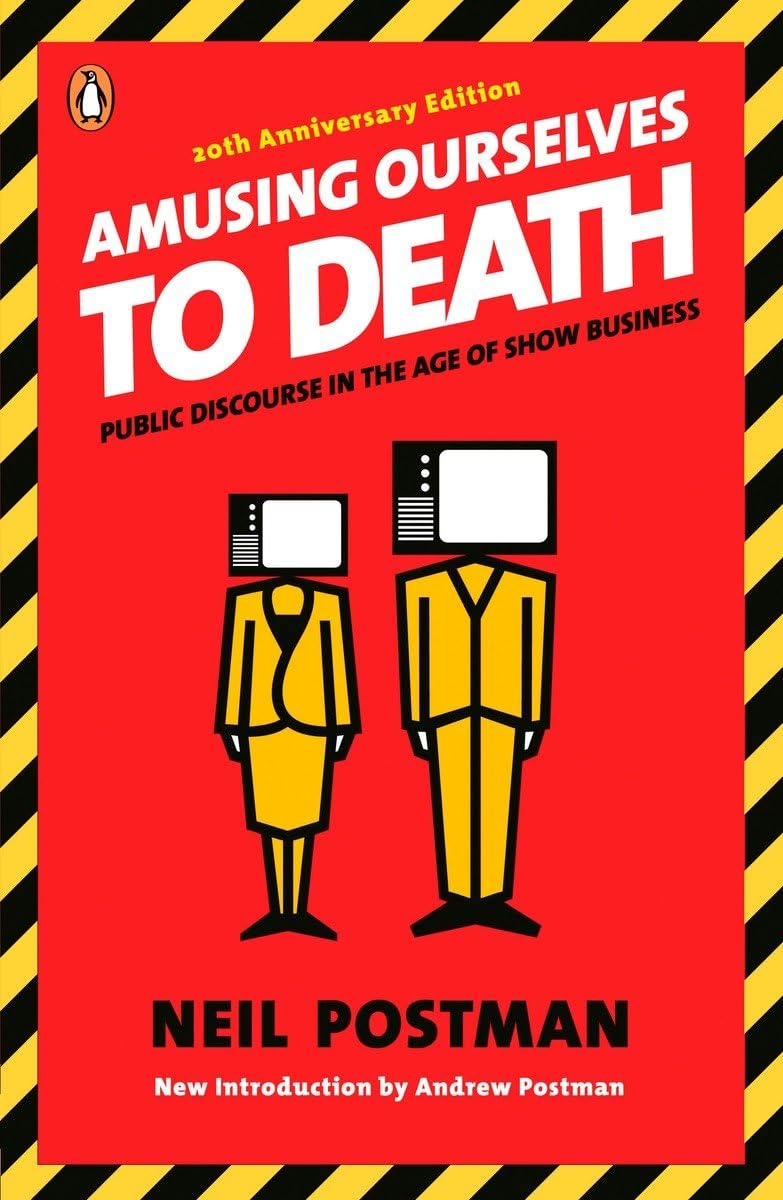

Neil Postman

Ursula Franklin

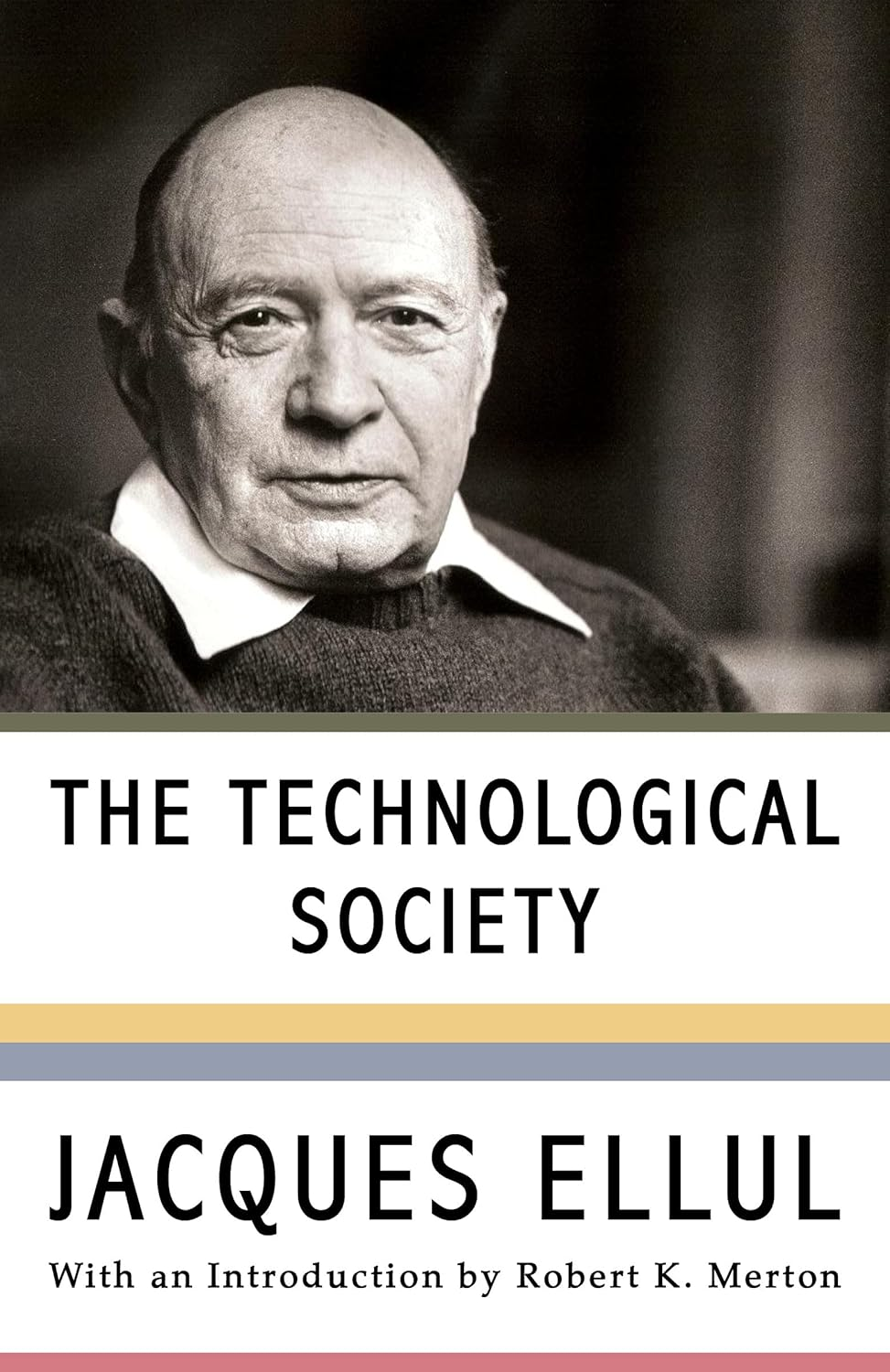
Jacques Ellul

Ivan Illich

A new imagination powered by prototypes

A prototype is an “embodied question.” - Scott Witthoft


What we say about AI matters.


What we do with it matters more.

The storm is coming.

The storms expose your foundation

Therefore everyone who hears these words of mine and puts them into practice is like a wise man who built his house on the rock. The rain came down, the streams rose, and the winds blew and beat against that house; yet it did not fall, because it had its foundation on the rock. But everyone who hears these words of mine and does not put them into practice is like a foolish man who built his house on sand. The rain came down, the streams rose, and the winds blew and beat against that house, and it fell with a great crash.

Matthew 7:24-27
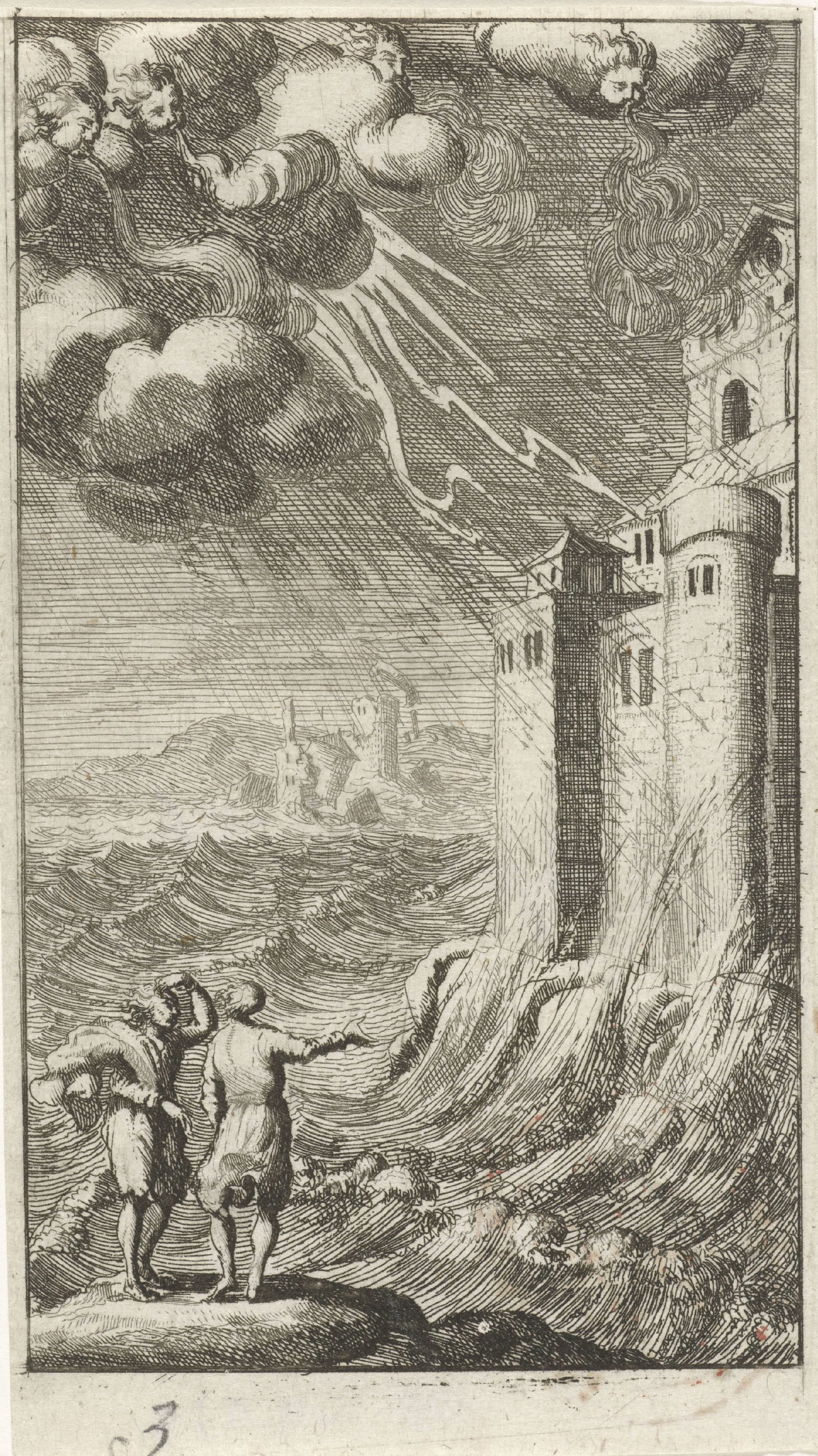
The House on the Rock by Jan Luyken

AI is Opening Doors for the Gospel

AI is bringing deep theological questions to the surface.

  • What does it mean to be human?
  • What is life all about?
  • What is my value in an economic environment where machines are increasingly capable?
  • Where can I find hope in the midst of uncertainty?

God is at work. How can we join him and invite our colleagues and students to do the same?

  1. Point to the ethical roots
  2. Find common ground under the umbrella of human flourishing
  3. Develop a more comprehensive understanding of technology
  4. Spark new imagination by building an alternative vision
  5. Embrace curiosity in community

Substack: joshbrake.substack.com

Email: josh@joshbrake.com


A copy of these slides can be found at joshbrake.com/taylor.